How Drone Docking Stations Are Transforming Industrial Automation
2026-05-14
Origin:GDU TECH
The global demand for industrial automation is growing rapidly. Unmanned Aerial Vehicles (UAVs) have become essential tools for monitoring large areas. However, traditional drone flights still require manual intervention for battery swaps and data collection. Drone docking station benefits address these limitations by enabling truly autonomous flight cycles. These systems serve as autonomous hubs for drones, providing secure shelter and automated charging.
Modern industries are shifting toward "Drone-in-a-Box"(DiaB) solutions to streamline workflows. This technology allows drones to operate without a pilot present at the launch site.Automated drone docking stations handle charging, landing, and data transfer operations, while software manages mission execution This transition reduces human error and ensures consistent data acquisition. By integrating these stations, enterprises can achieve a higher level of operational intelligence.
What Are the Key Drone Docking Station Benefits?
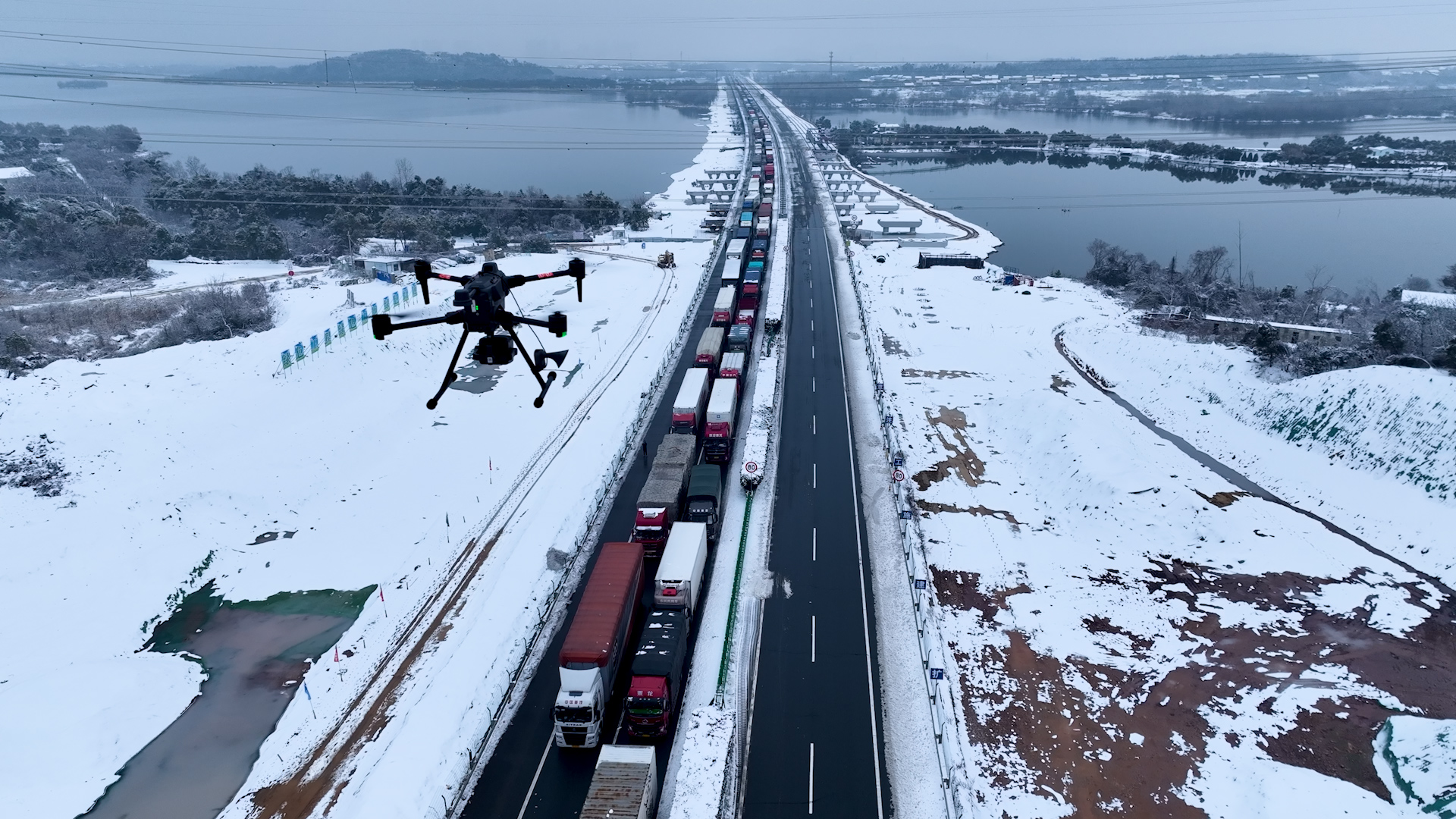
The primary advantage of these systems is the ability to perform24/7 autonomous monitoring. Manual drone operations are often limited by human work hours and travel time. A docking station removes these barriers by housing the drone on-site permanently. This setup allows for scheduled inspections at any time of the day or night. Continuous availability ensures that critical infrastructure is always under supervision.
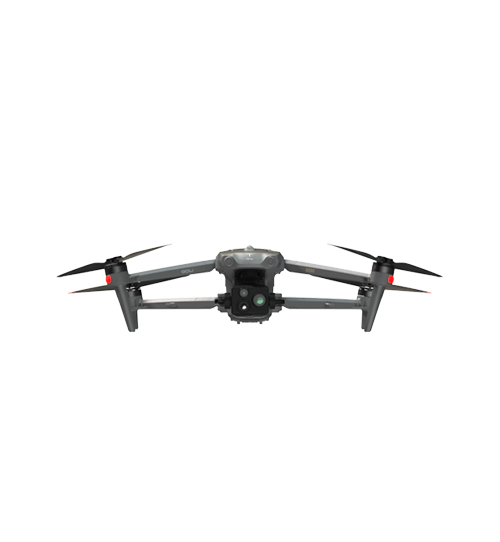
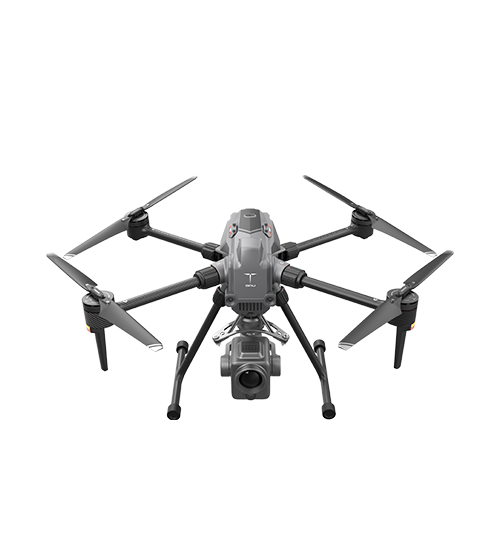
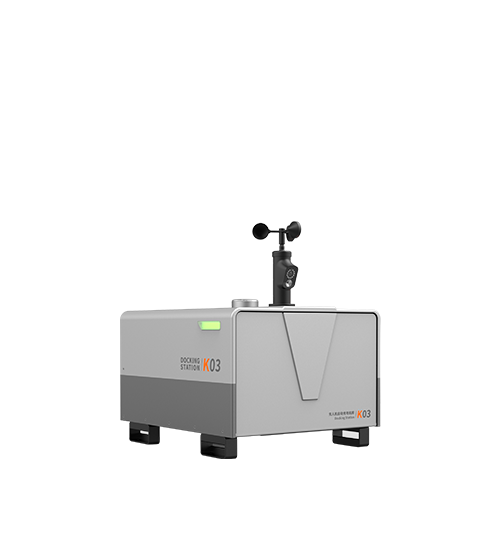
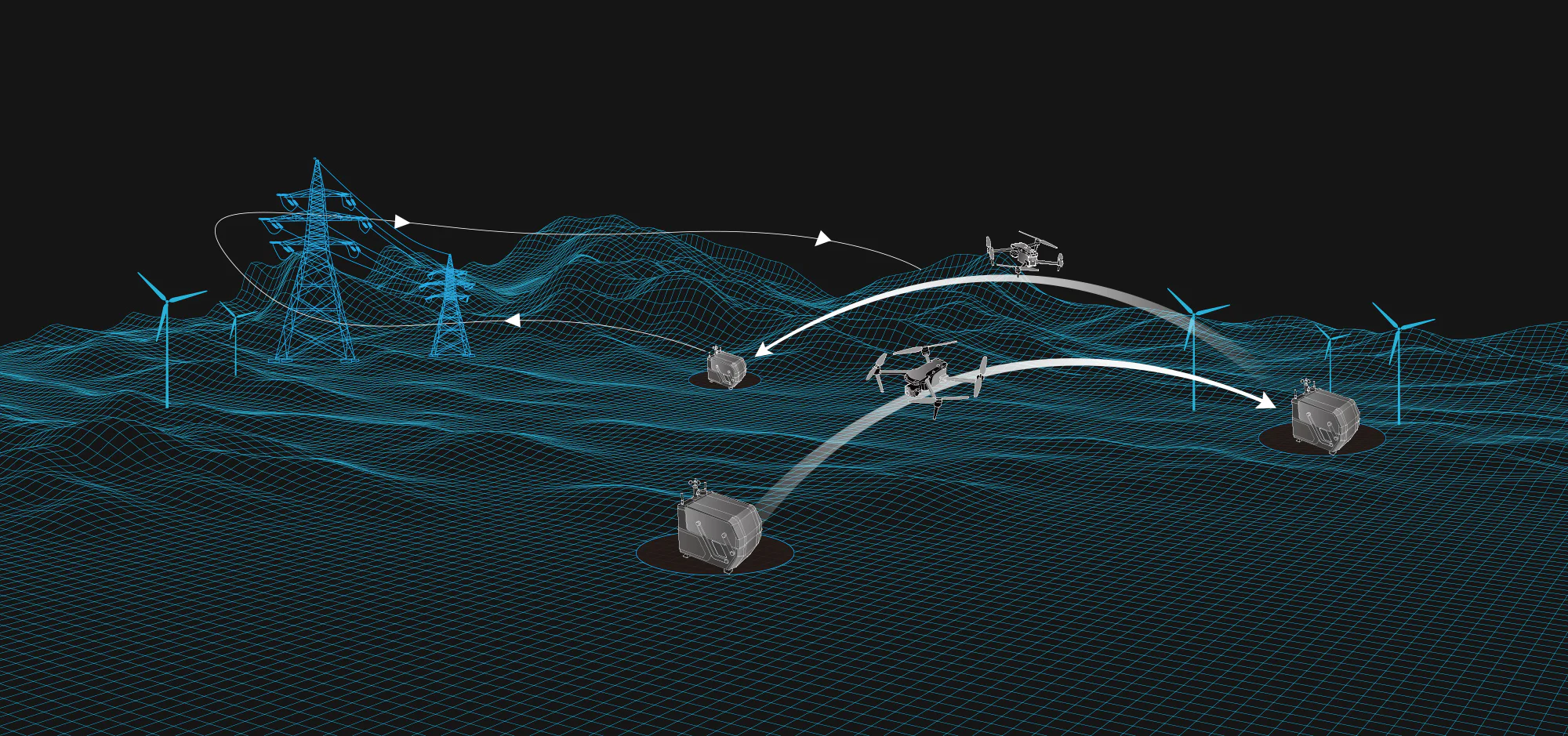
GDU Docking Station supports relay operation between UAV A to Dock B, which effectively increases the inspection operation time and expands the operation scope.
Another significant drone docking station benefit is the substantial reduction in long-term operational costs. Deploying a pilot for every flight involves travel expenses, housing, and hourly wages. Automated stations eliminate the need for an on-site technician for routine tasks. Industrial drone automation can significantly reduce long-term inspection costs. Companies can then reallocate their skilled workforce to analyze data rather than fly hardware.
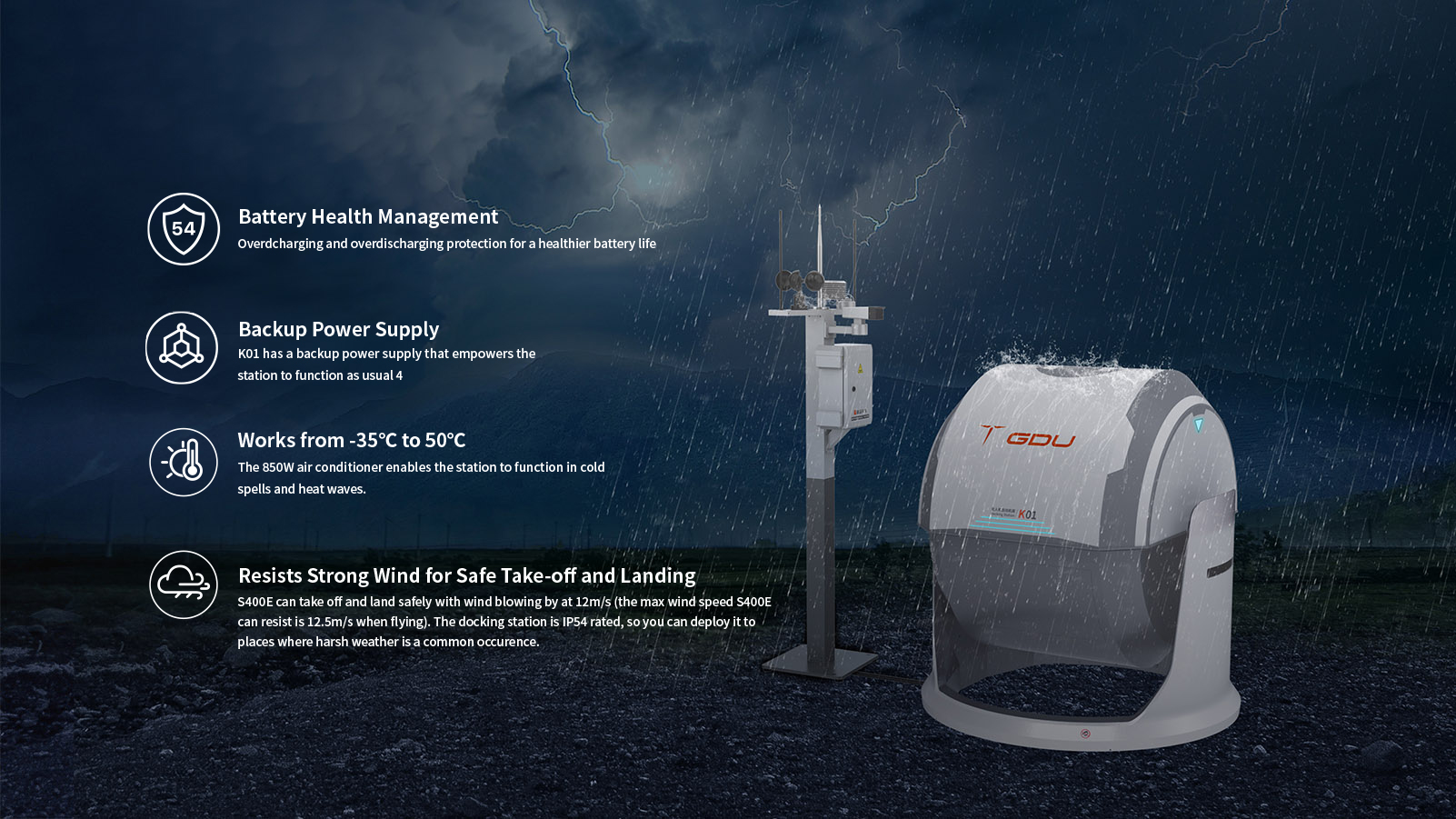
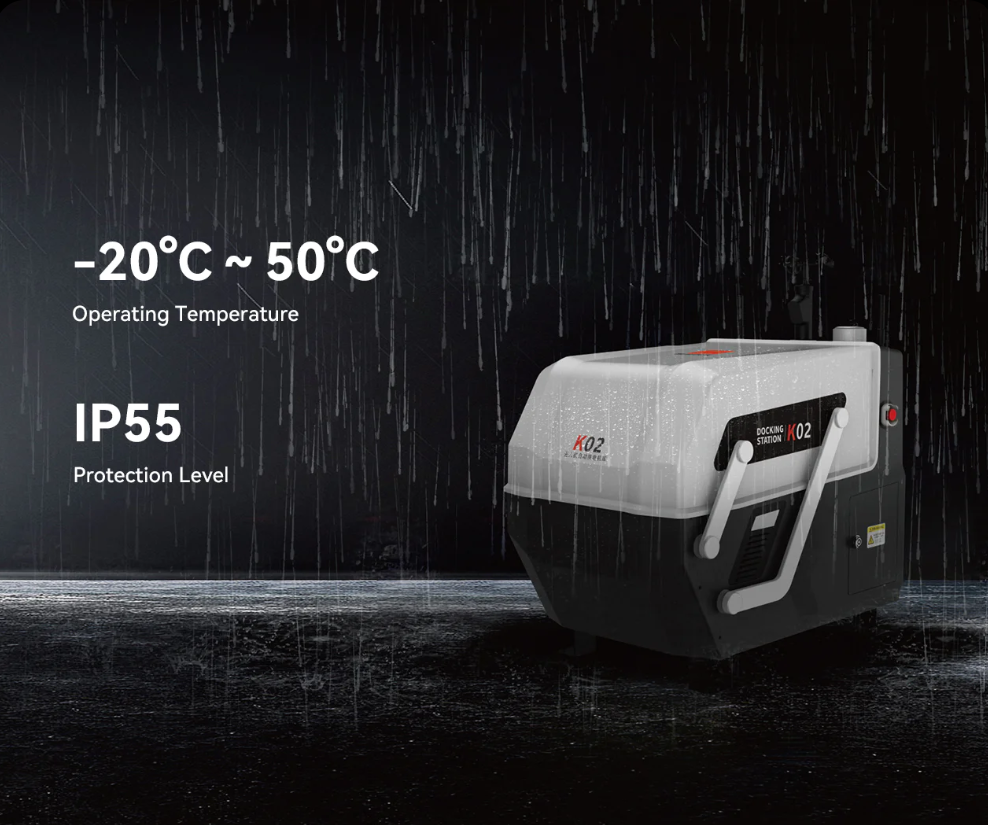
Safety and environmental resilience also play a major role in system adoption. Professional docking stations are built with weather-resistant IP55 or IP54 ratings to withstand harsh conditions. They feature internal climate control to protect sensitive batteries from extreme heat or cold. This protection extends the lifespan of the drone and ensures mission reliability. High-durability enclosures allow drones to operate in environments that might be dangerous for human workers.
GDU Docking Station can work under severe weather with IP55 protection.
Feature
Manual Drone Flights
Automated Docking Station
Human Presence
Pilot required on-site
Remote or scheduled operation
Mission Frequency
Limited by human shifts
Continuous 24/7 cycles
Landing Precision
Manual visual landing
RTK precision < 10cm
Data Processing
Manual SD card transfer
Automatic cloud synchronization
Battery Management
Manual swap required
Automated fast-charging
How Automated Systems Improve Data Precision
Data consistency is vital for tracking changes in infrastructure over time. Manual flights often result in slight variations in flight paths and camera angles. Drone docking station benefits include the integration of Real-Time Kinematic (RTK) positioning technology. This allows the drone to land with centimeter-level accuracy every time. Consistent landing and takeoff points mean the drone follows the exact same path for every mission.
Precise positioning allows for the creation of highly accurate 3D models and maps. Digital twins of construction sites or power grids require highly consistent data sets. Automated systems ensure that every image is captured from the same GPS coordinates. This level of repeatability is difficult to achieve through manual piloting alone. Higher data reliability leads to better decision-making for engineers and project managers.
Furthermore, these stations facilitate immediate data synchronization through high-speed network connections. Once the drone lands, the system can upload 4K video or thermal imagery directly to the cloud. This removes the delay caused by physical transport of memory cards. Stakeholders can access the inspection results from a remote office within minutes. Fast data turnaround is critical for emergency response or leak detection.
Why Real-Time Weather Sensing is Crucial
Safety in autonomous flight depends heavily on real-time environmental awareness. Most advanced docking stations are equipped with integrated weather stations. These sensors monitor wind speed, rainfall, and barometric pressure in real-time. If conditions exceed safe flight limits, the system will automatically postpone the mission. This intelligent risk management prevents expensive hardware damage and ensures public safety.
The station acts as a smart gateway that communicates with the drone throughout the flight. If a storm approaches during an active mission, the station sends a "return to home" command. The drone then performs a precision landing into its protective enclosure before the rain starts. This level of autonomy requires zero human input to protect the asset. Automated weather monitoring makes drone programs much more resilient to unpredictable climates.
Standard drone batteries are sensitive to temperature fluctuations during the charging process. Docking stations utilize active cooling and heating systems to maintain optimal charging temperatures. This technology prevents battery degradation and reduces the risk of thermal runaway. Consistent thermal management ensures that the drone is always ready for its next scheduled flight. Proper maintenance of the power system is a key drone docking station benefit.
Choosing the Right Docking Station for Your Operations
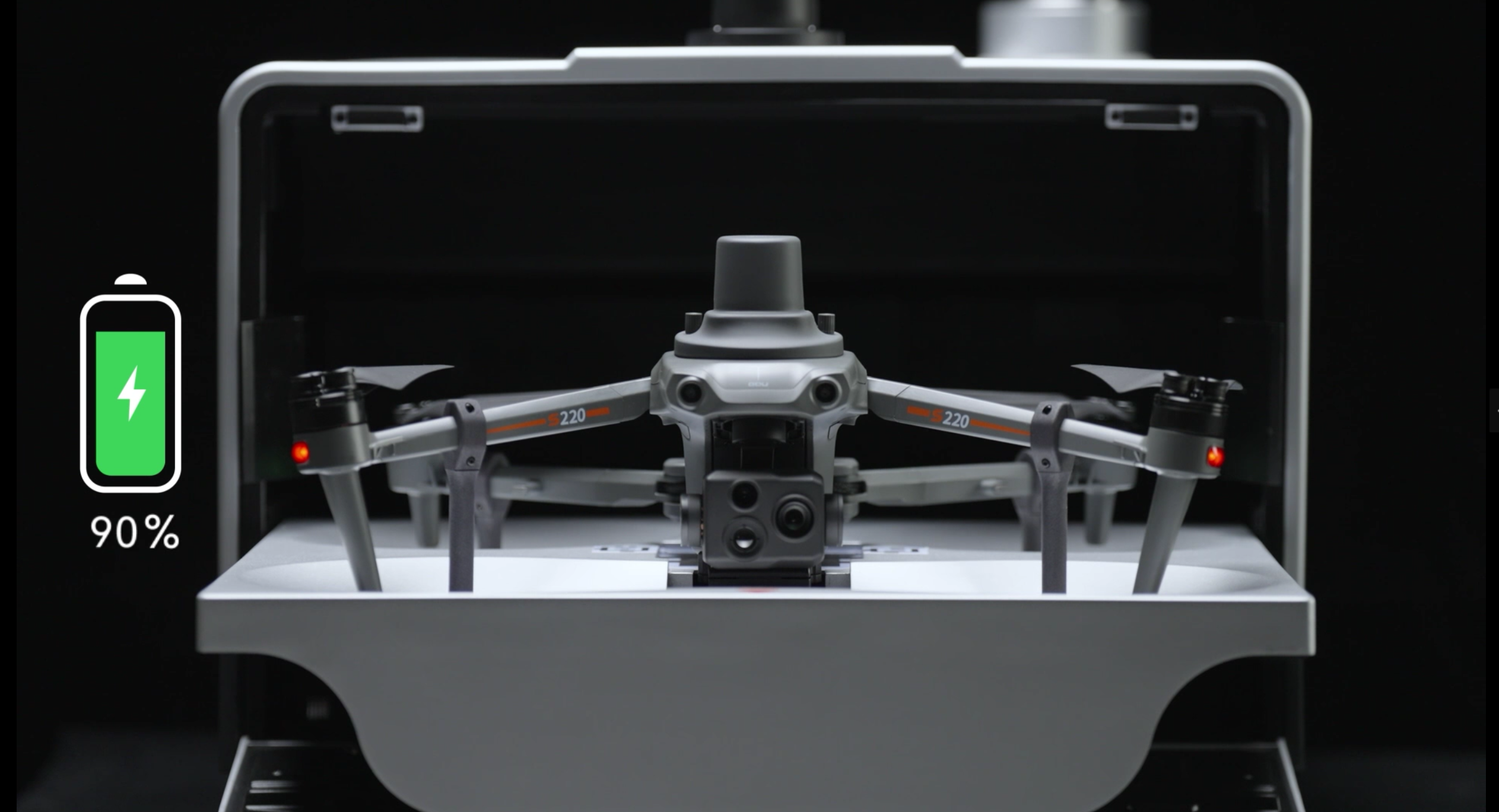
Determining the suitability of a docking station depends on your specific operational environment. You must evaluate the compatibility of the station with your existing drone fleet. Some stations are designed for compact quadcopters, while others support larger industrial UAVs. It is also important to check the charging speed and total cycle time. A station that can charge a drone in under 45 minutes maximizes the number of daily missions.
GDU K03 Docking Station can achieve fast charging, with the battery level rising from 10% to 90%in just 35 minutes.
Consider the connectivity options available at your remote site locations. Many industrial areas lack reliable Wi-Fi, necessitating 4G/5G or satellite link capabilities. The station must support reliable high-bandwidth data transmission while maintaining stable communication with the UAV. Additionally, check the modularity of the internal components for easy maintenance. Modular docking station designs allow for quick repairs in the field without replacing the entire unit.
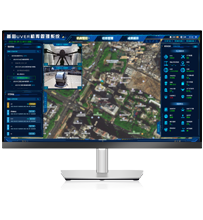
Evaluate the software ecosystem that manages the docking station and the drone. The interface should allow for easy mission planning and remote manual override if necessary. Look for systems that offer API integration with your current enterprise resource planning (ERP) software. A well-integrated system ensures that drone data flows directly into your business workflows. Choosing a station with high IP protection ensures longevity in coastal or desert environments.
For more technical details on specific hardware configurations and landing systems, you can explore professional UAV docking solutions. High-quality stations provide the robust infrastructure needed to scale a drone program from a single unit to a multi-drone operation. Understanding these technical requirements helps in selecting a system that provides the best return on investment.
Summary
The core drone docking station benefits include 24/7 operational readiness, significant labor cost savings, and superior data precision. By removing the pilot from the site, companies can scale inspections and improve safety. These stations provide the essential foundation for true drone automation across global industries.
FAQ
How long does it take for a drone to charge in a docking station?
Most industrial docking stations can charge a drone to 80% capacity within 40 to 60 minutes. Some advanced models use battery-swapping mechanisms to reduce the "ground time" to less than five minutes.
Can drone docking stations operate in extreme temperatures?
Yes, professional stations are equipped with internal HVAC systems to operate between -20°C and 50°C, with some models supporting even wider ranges. The outer shell is usually rated at IP55 to protect against dust and heavy rain.
What is the landing accuracy of an automated drone station?
Automated stations typically use RTK-GNSS and vision sensors to achieve a landing accuracy of less than 10 centimeters. This precision is necessary to ensure the drone aligns correctly with the internal charging pins.
How do docking stations handle data security?
Most systems use AES-256 encryption for both the flight control link and the data transmission to the cloud. This ensures that sensitive industrial inspection data remains private and secure.
Reference Sources
IEEE Xplore: Research on Autonomous UAV Docking Stations


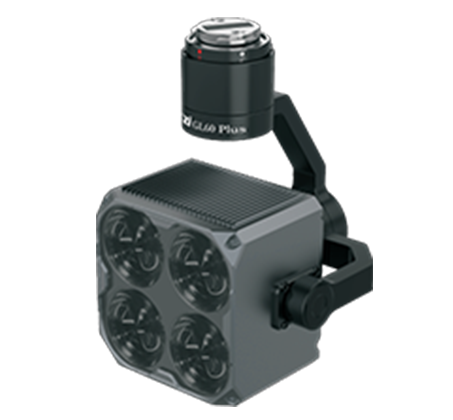
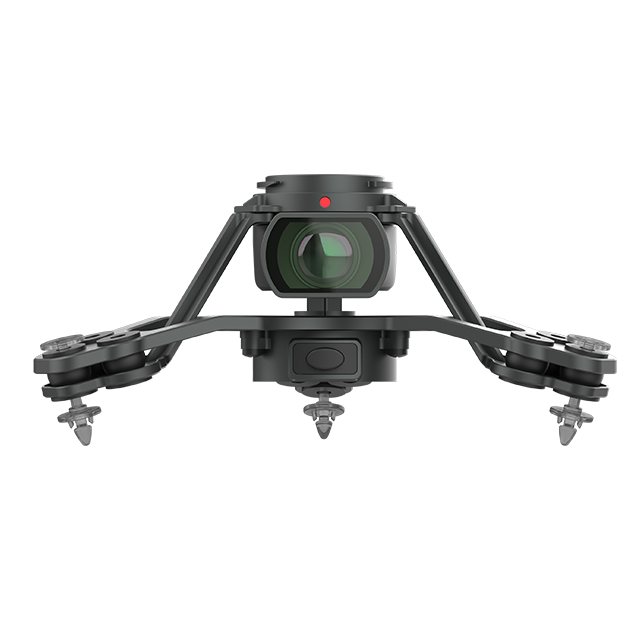
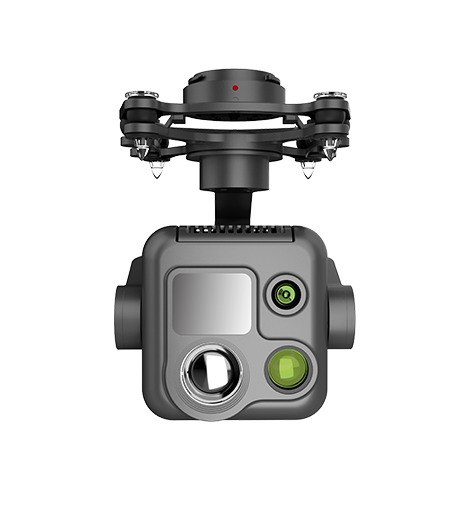 PQL02 Compact Quad-sensor Camera
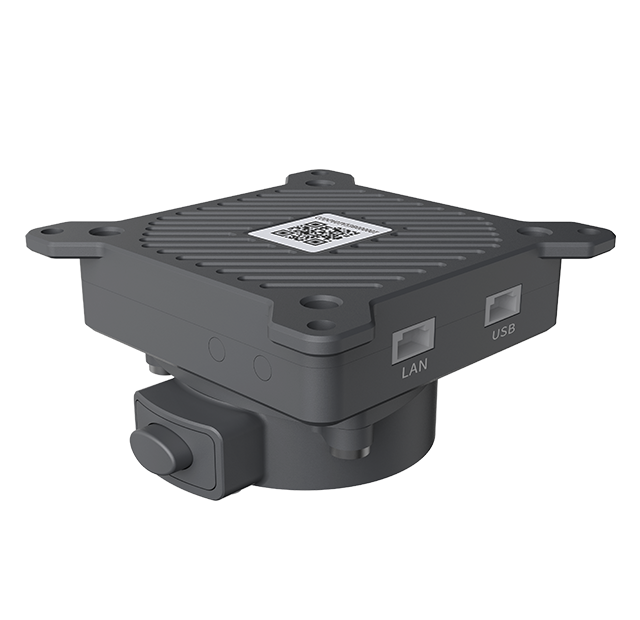 AGA01 Payload Adapter
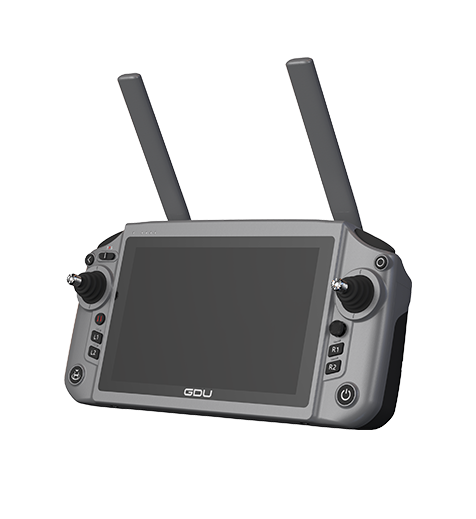 GDU RC SEE Smart Remote Controller
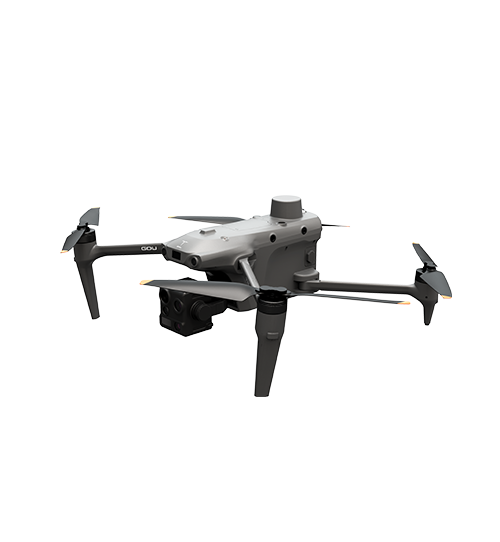
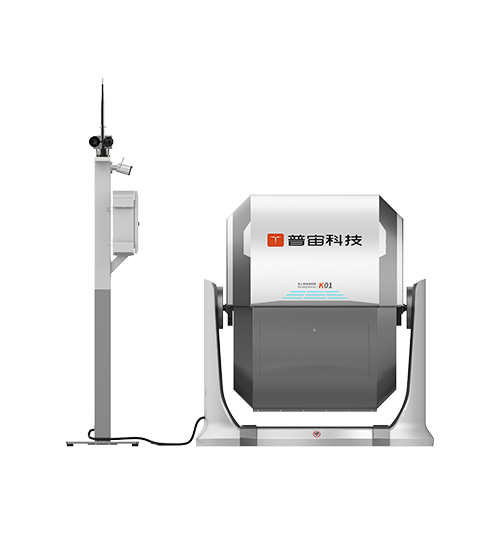
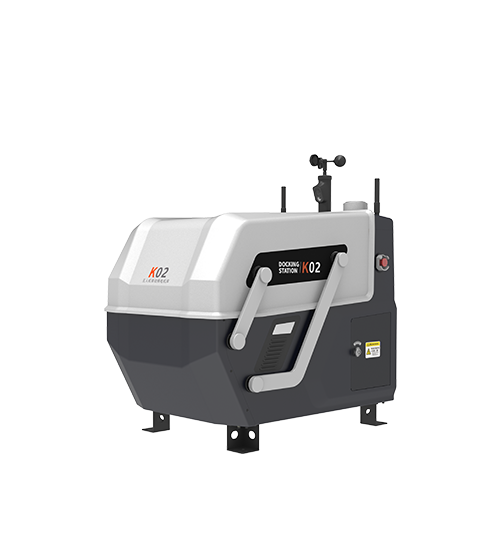



 GDU Docking Station can work under severe weather with IP55 protection.