What Is a Drone Docking Station? The Ultimate Guide
2026-05-06
Origin:GDU TECH
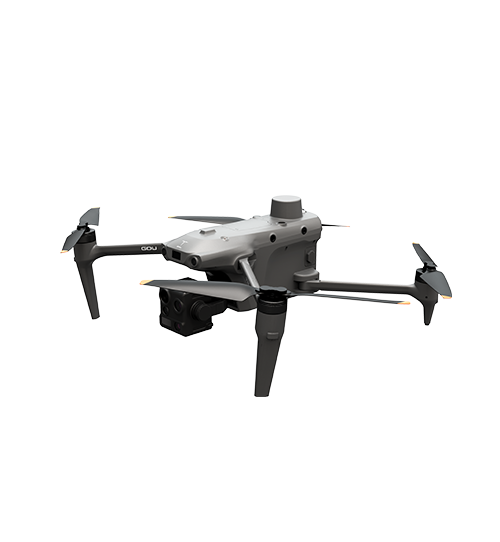
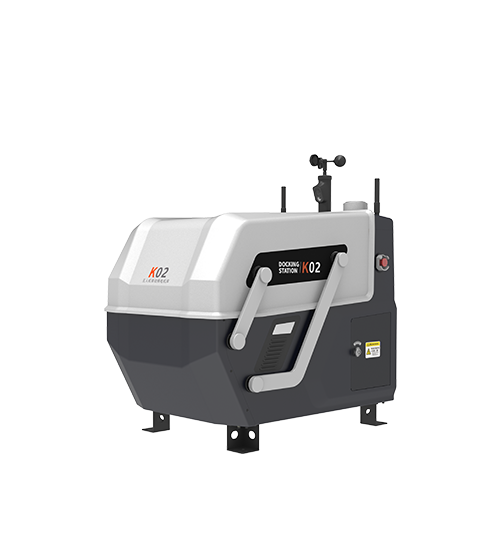
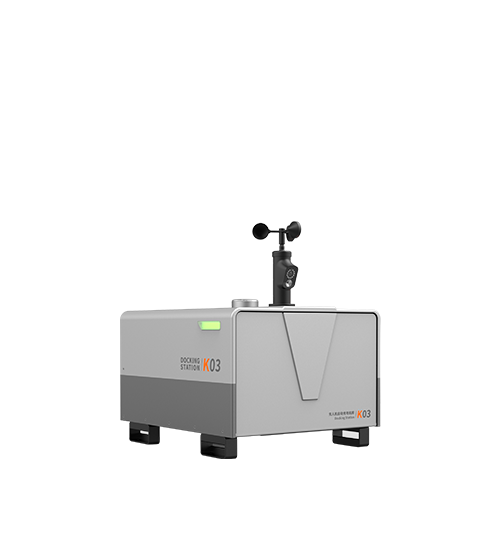
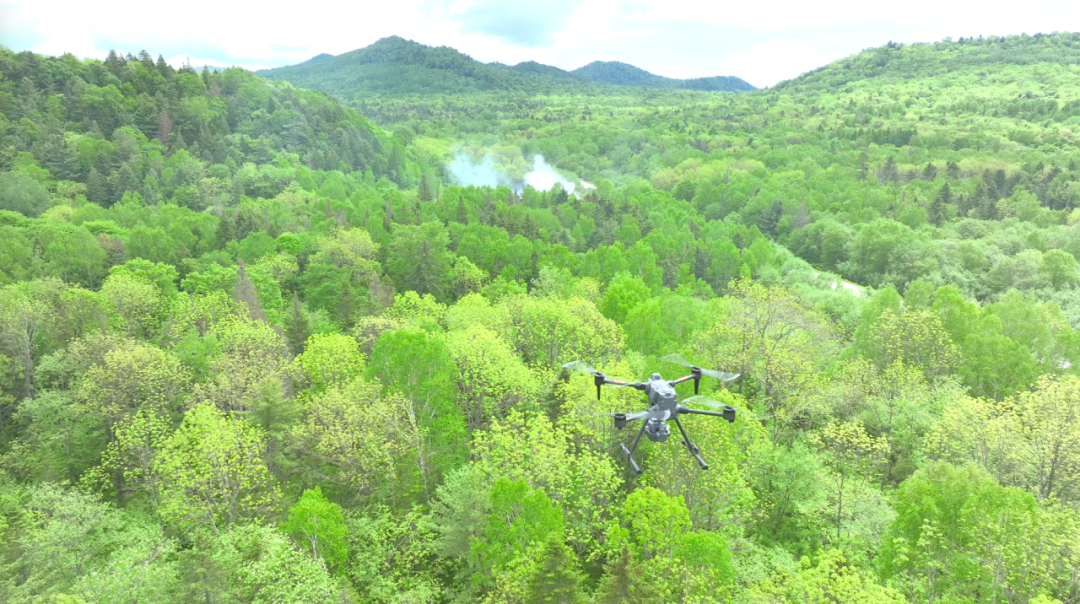
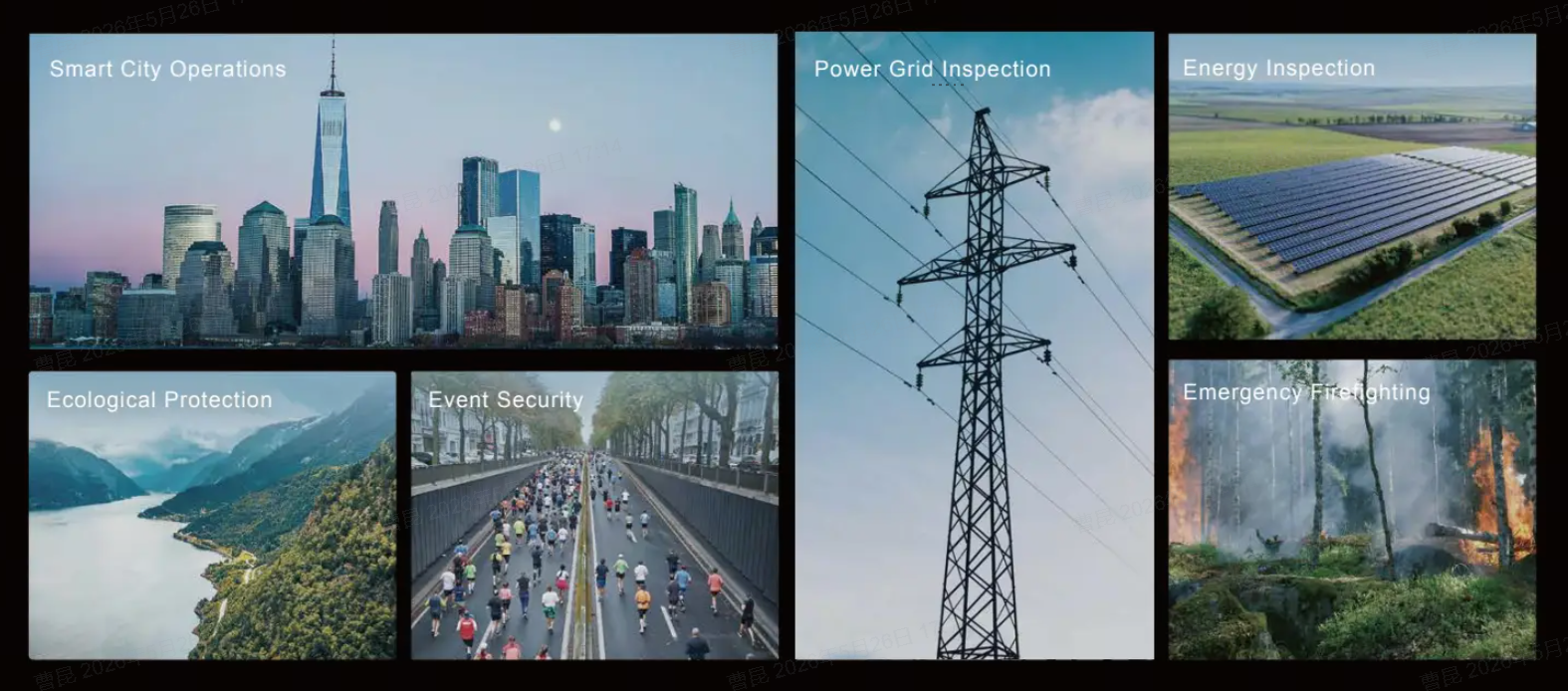
The landscape of professional drone operations is changing rapidly through automation. A drone docking station serves as a specialized ground-based unit for unmanned aerial vehicles (UAVs). It acts as a permanent home where drones can take off, land, and recharge. These systems are often called "drones-in-a-box" because they house the aircraft in a protective shell.
Modern industries use these stations to achieve true flight autonomy. Instead of sending a pilot to a remote site, the station manages the aircraft automatically. It provides a climate-controlled environment to protect sensitive electronics from rain, dust, and heat. This technology allows drones to work 24/7 in challenging environments.
Understanding the core functions of a drone docking station is essential for enterprise managers. These units integrate hardware and software to streamline data collection. They transform a simple flying camera into a powerful, automated remote sensing tool. By removing the need for onsite personnel, they drastically increase the efficiency of routine inspections.
What Is a Drone Docking Station?
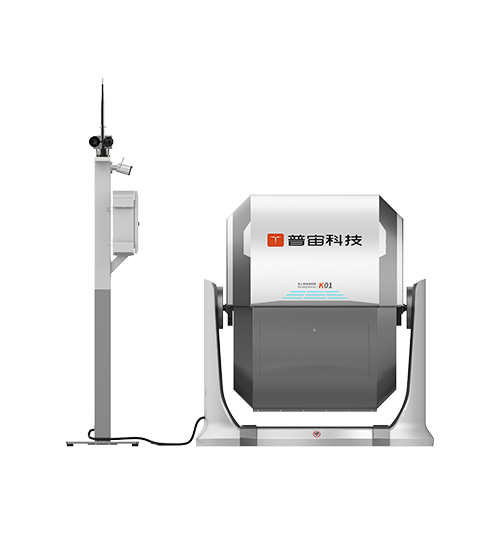
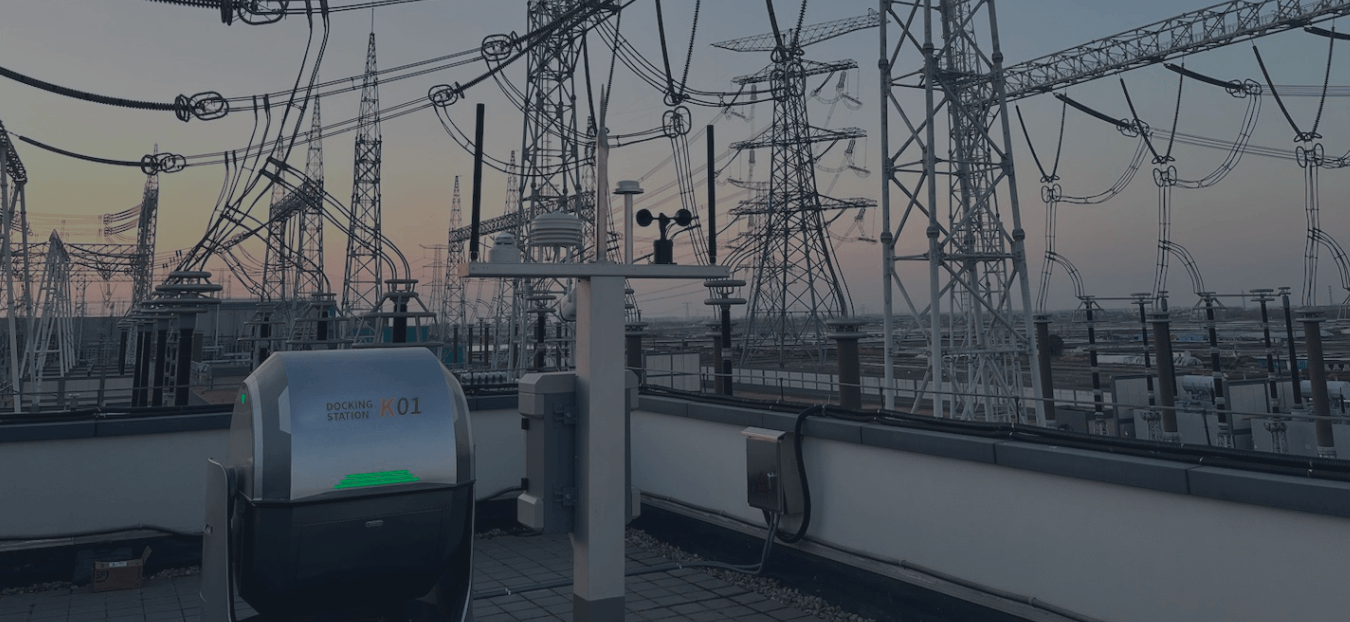
A drone docking station is an automated hangar that facilitates remote UAV operations. It typically includes a landing pad, a battery charging system, and a communication hub. These stations are designed to stay outdoors for long periods. They use internal climate control systems to maintain optimal temperatures for the drone's batteries.
High-end docking stations utilize RTK (Real-Time Kinematic) positioning for extreme precision. Standard GPS might have an error margin of several meters. However, RTK allows the drone to land within a of the target. This precision is vital for the mechanical arms or charging pins to connect properly.
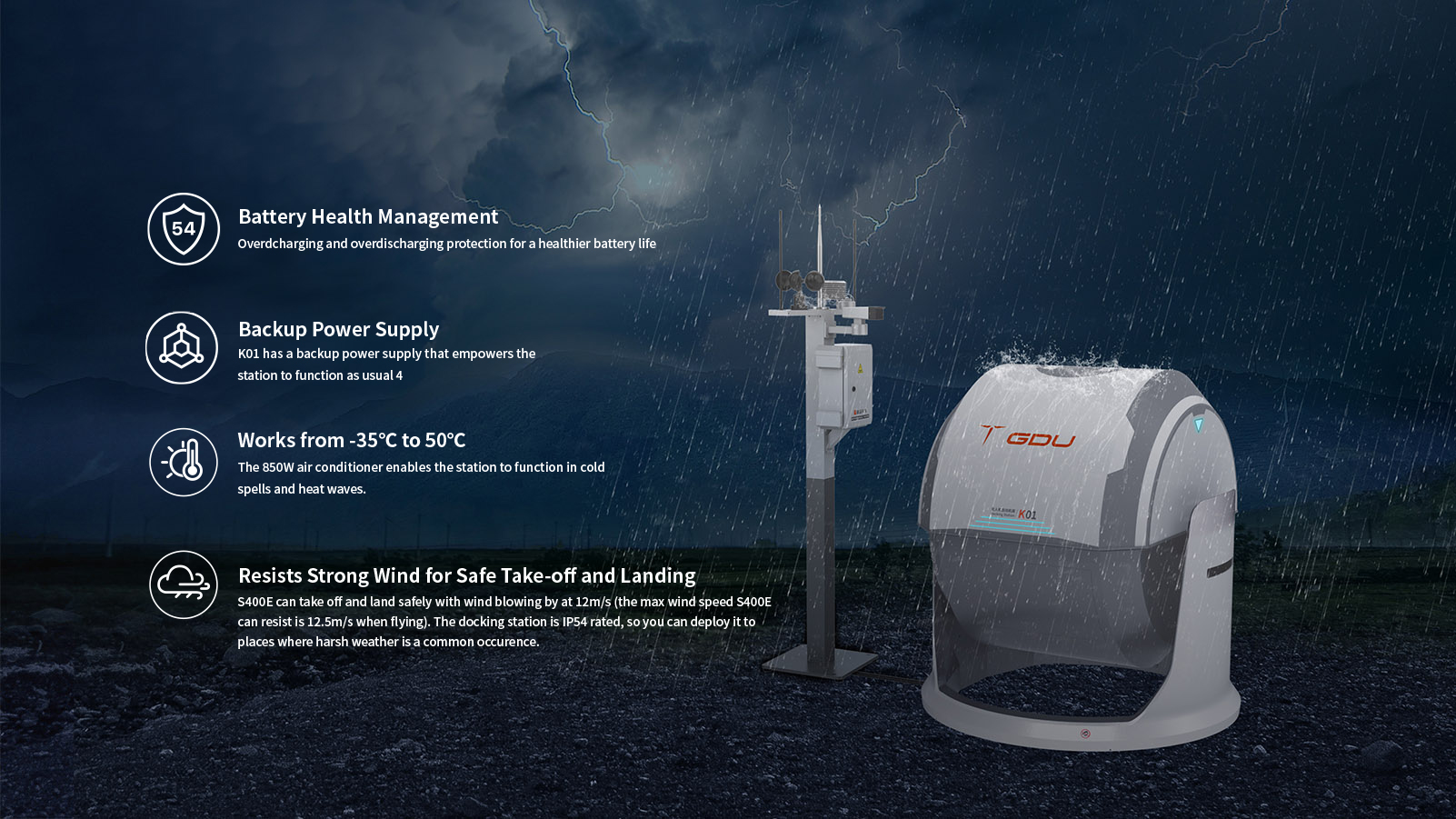
Reliability is a major factor in the design of a drone docking station. Most industrial units carry an IP54 or IP55 ingress protection rating. This means they are resistant to water splashes and fine dust particles. These technical specifications can prevent drones from being damaged by rain, wind and adverse weather conditions.
How a Drone Docking Station Operates
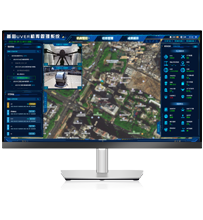
The workflow of a drone docking station begins with a pre-programmed mission. A remote operator schedules a flight through a cloud-based management platform. At the scheduled time, the station’s motorized roof opens to release the UAV. The drone then follows a set of waypoints to collect visual or thermal data.
Charging is the most critical phase of the automated cycle. Most stations use conductive charging pins or inductive pads to replenish the battery. Some industrial drones can reach 80% charge in approximately 45 to 60 minutes. This rapid turnaround allows for multiple flights within a single workday.
Data transmission occurs automatically once the drone returns to the drone docking station. The station acts as a high-speed data gateway, uploading high-resolution imagery to the cloud. This process ensures that decision-makers receive actionable information almost in real-time. This seamless integration between flight and data processing defines modern Drone-in-a-box (DIAB) technology.
Feature
Standard Manual Operation
Automated Drone Docking Station
Pilot Requirement
On-site Pilot Required
Remote/Scheduled Operations
Landing Precision
Visual Manual Landing
RTK-based Precise Landing
Protection
Portable Case Only
All-weather Protective Hangar
Operational Cost
High (Labor + Travel)
Low (Initial Capex, Low Opex)
Flight Frequency
Limited by Pilot Availability
24/7 Continuous Readiness
Key Benefits of Automated Drone Docking Station
Implementing a drone docking station significantly reduces operational overhead. Traditional inspections require travel, hotels, and specialized labor for every flight. An automated drone nest allows one operator to manage a fleet of drones from a central office. This can lead to an estimated 50% reduction in long-term operational costs.
Enhanced safety is another primary benefit of using a drone docking station. Automated systems eliminate the risk of human error during takeoff and landing phases. The station monitors local weather conditions using built-in sensors. If the wind speed exceeds 12 meters per second, the system will automatically cancel the flight.
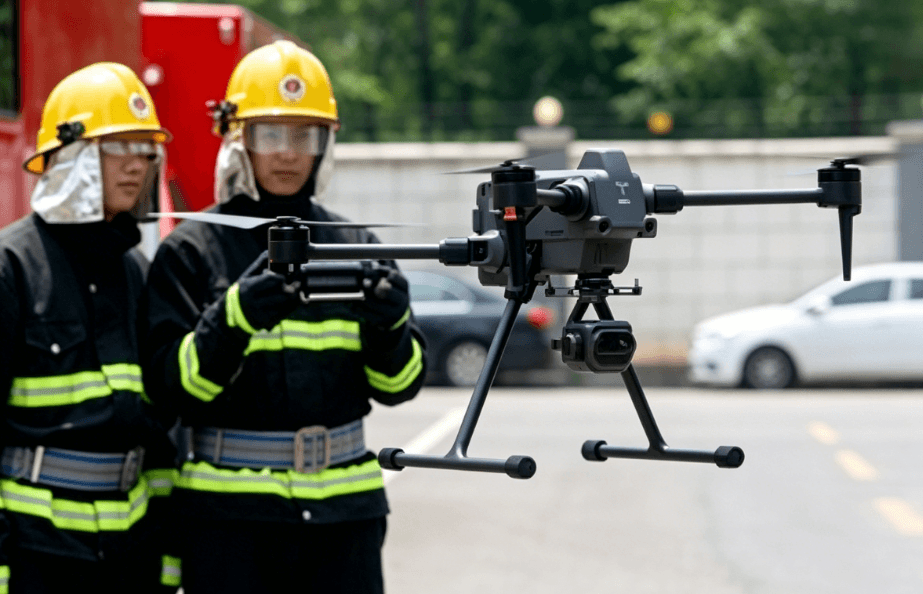
Furthermore, these stations provide a constant state of readiness for emergencies. In security or fire monitoring scenarios, every second counts. A drone docking station can deploy a UAV within 60 seconds of a triggered alarm. This rapid response capability is impossible for traditional manual drone teams.
How to Choose the Right UAV Solution for Your Needs
Selecting the correct drone docking station depends on your specific environment and goals. You must first evaluate the operational temperature range of the hardware. For locations with harsh winters, look for stations that operate between -25°C and 55°C. This ensures the internal heating systems can prevent battery degradation in the cold.
The communication range between the station and the drone is also vital. Most industrial solutions offer a 7 to 15 kilometer control radius under optimal conditions. If you need to cover a larger area, consider a network of multiple stations. You should also verify if the station supports automated data offloading via 5G or satellite links.
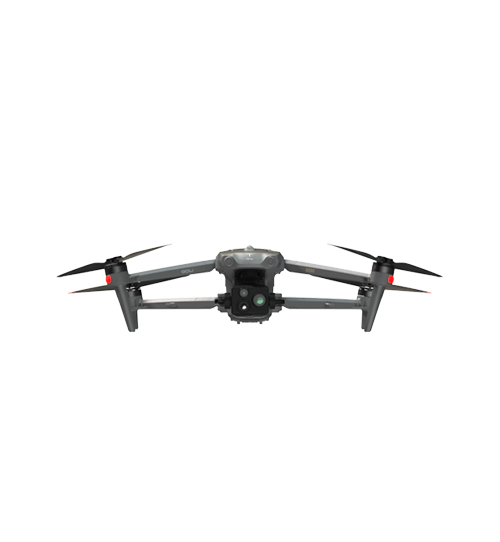
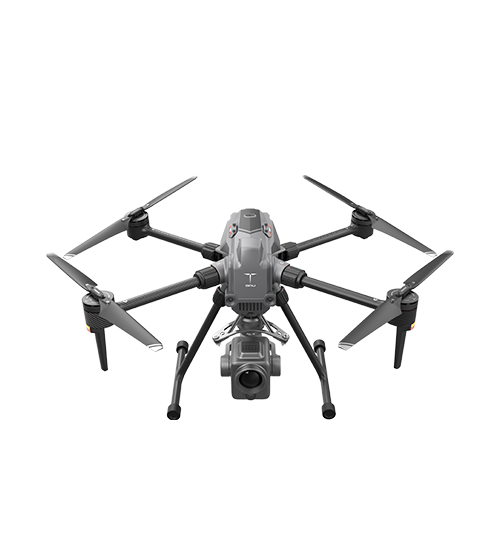
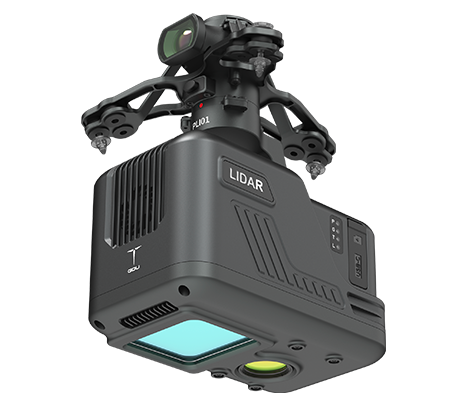
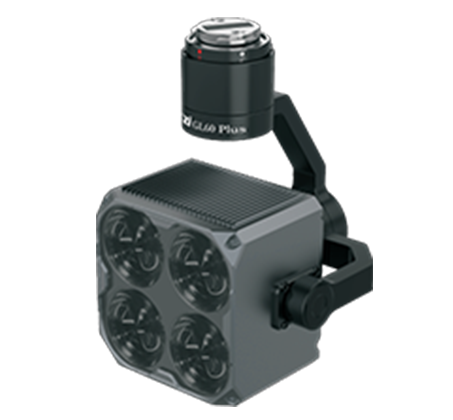
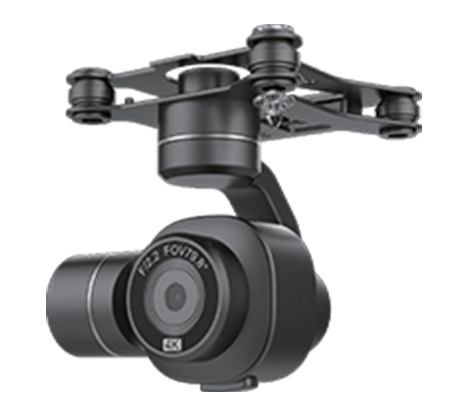
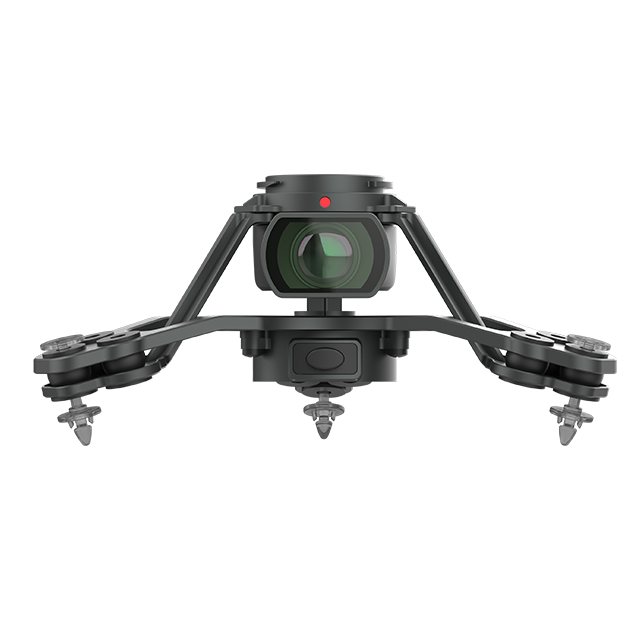
Professional organizations often require specialized payloads like thermal cameras or gas sensors. Ensure the drone docking station is compatible with the specific UAV models you intend to use. Reliability in remote sensing requires a seamless connection between the aircraft and the drone docking station.
Summary
A drone docking station is the cornerstone of modern autonomous aerial operations. It provides the necessary infrastructure for self-sufficient charging, protection, and data transfer. By utilizing these systems, enterprises can achieve higher efficiency and lower costs. These automated drone docks turn drones into reliable, around-the-clock industrial tools. For more information on specific enterprise-grade drone solutions along with the GDU K01 to K05 drone stations, please check GDU Tech’s UAV solutions and enterprise products.
FAQ
What is the main purpose of a drone docking station?·
The primary purpose is to enable fully autonomous UAV missions without on-site human intervention. It provides a secure place for the drone to land, recharge, and stay protected from the elements.
How does a drone find the docking station to land?
The drone uses a combination of RTK-GPS and visual sensors to identify the landing pad. This multi-layered approach ensures the aircraft lands precisely on the charging contacts every time.
Can a drone docking station work in heavy rain?
Yes, most industrial-grade stations are designed with IP-rated enclosures to withstand rain and snow. The station remains closed and weather-sealed until the internal computer confirms it is safe to fly.
How many drones can one station hold?
Most current models are designed for a single drone to ensure maximum reliability and fast charging. However, some advanced fleet management systems allow multiple stations to coordinate together in a network.
Reference Sources
NASA: Unmanned Aircraft Systems (UAS) Integration in the National Airspace System


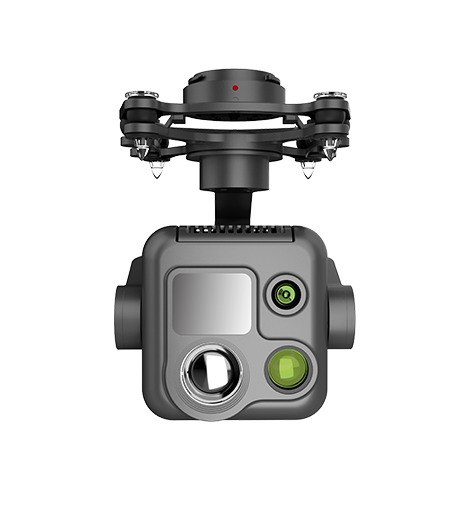 PQL02 Compact Quad-sensor Camera
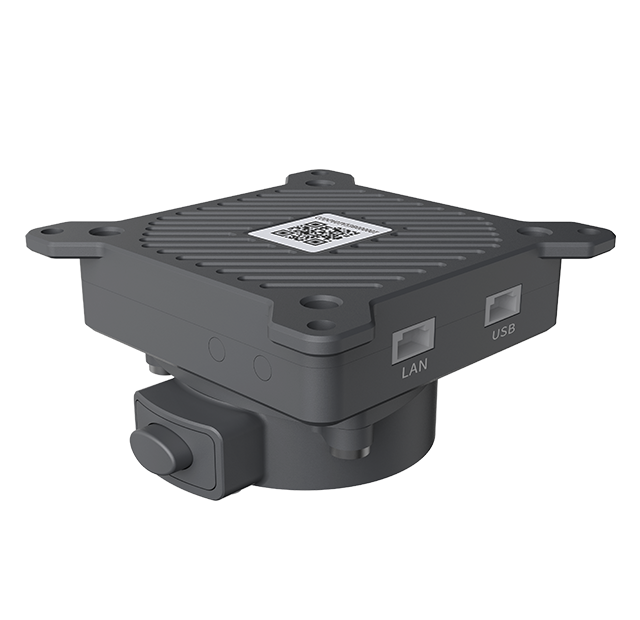 AGA01 Payload Adapter
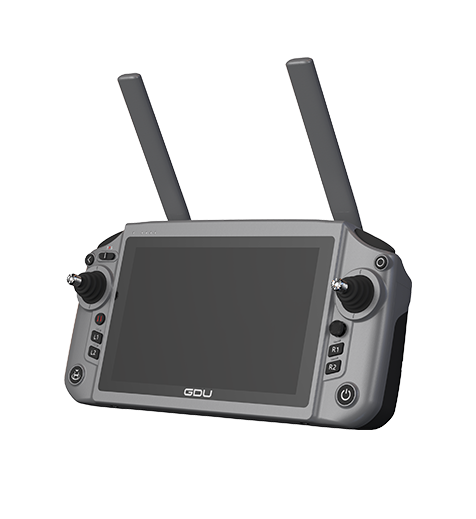 GDU RC SEE Smart Remote Controller